Peptide Lab Supplies
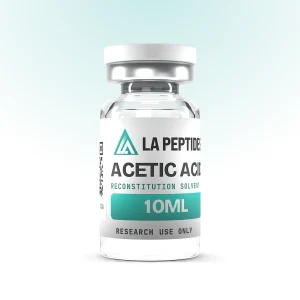
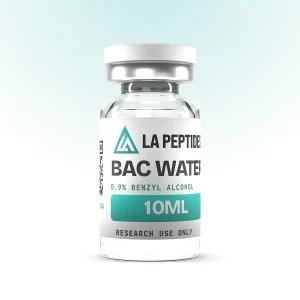
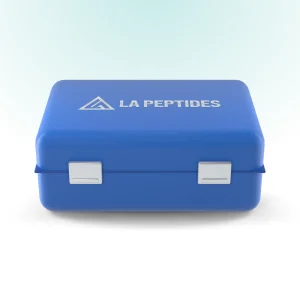
The peptide lab supplies you need alongside your vials: bacteriostatic water, acetic acid for stubborn peptides, methylene blue and a protective vial case. Add them to the same order so everything arrives together.
Looking for something else? Browse all research peptides, or see our peptide nasal sprays, peptide capsules and peptide bundles.
What are peptide lab supplies?
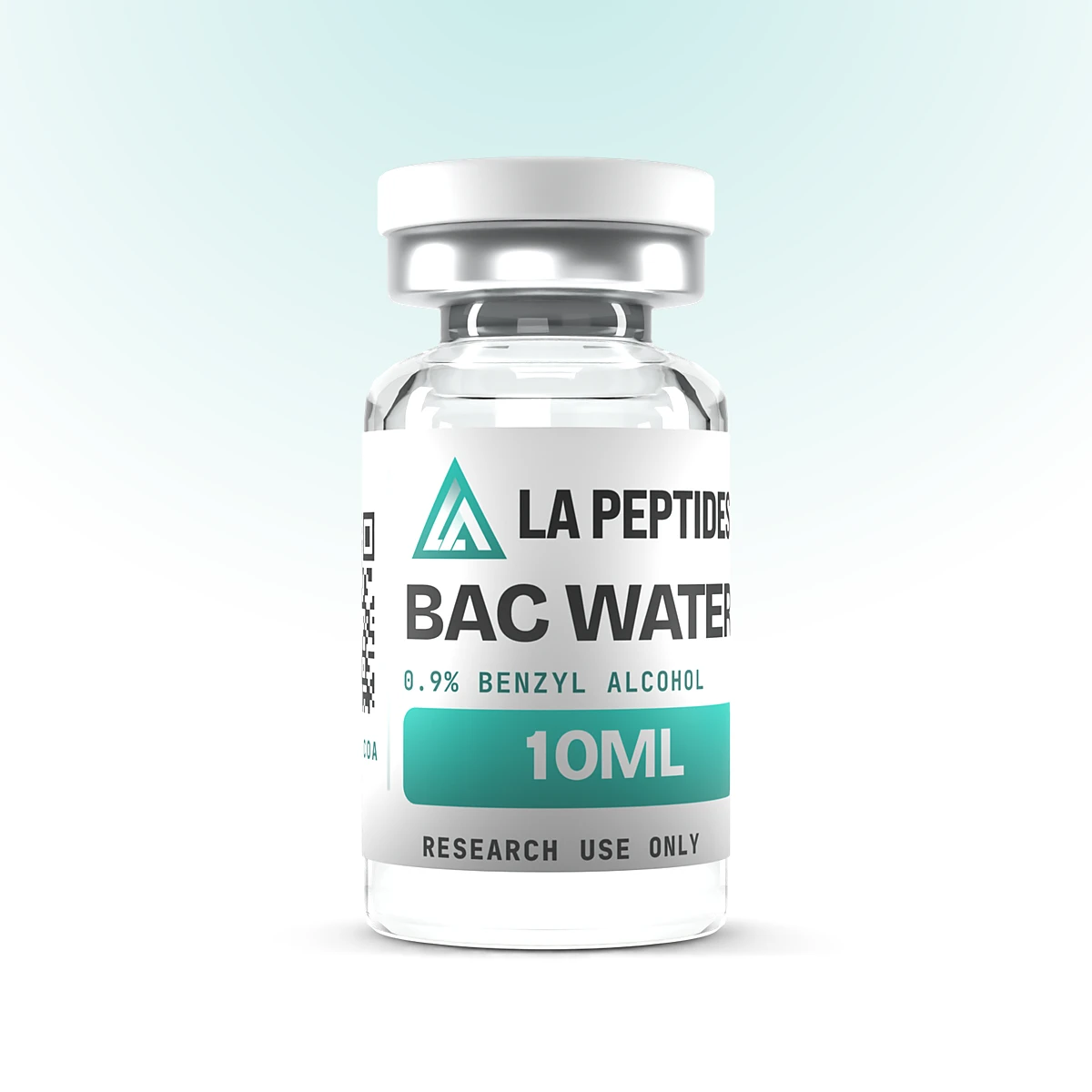
Lyophilized peptides need a diluent before you can work with them, and bacteriostatic water is the standard. It’s sterile water with 0.9% benzyl alcohol, which keeps it usable for up to 28 days after opening. One 10ml vial usually covers three to five peptide vials.
A few peptides, IGF-1 LR3 above all, dissolve better with a little acetic acid, so we sell that too. Methylene blue is a classic lab stain and redox compound, and the peptide case keeps glass vials safe in the fridge and in transit.
For the published research behind this range, start with this PubMed search.
Peptide lab supplies in our range
- BAC Water 10ml: 10ml vial, $15
- Acetic Acid 10ml: 10ml vial, $14.99
- Methylene Blue Solution: dropper bottle, $64.99
- Peptide Case: hard plastic case, $24.99
How to choose peptide lab supplies
Almost every order of lyophilized peptides needs BAC water. Add one vial for every three or four peptide vials. Add acetic acid only if you’re working with IGF-1 LR3 or another peptide that won’t dissolve in water alone.
The peptide case is worth it if vials move between benches, buildings or sites. Methylene blue is a separate research reagent for staining and mitochondrial work.
Formats and prices at a glance
This range has 4 products: four lab supplies. Prices run from $14.99 to $64.99. Every product page lists the exact amount, the format and the SKU, so you can compare like for like before you order.
Quality, testing and storage
Most of our vials carry a QR code on the label that opens the certificate of analysis for that exact batch. Check the lot number on the COA against the vial before you open it, and keep a copy with your notes.
Store unopened BAC water at room temperature and refrigerate it after the first puncture. Lyophilized vials go in the fridge or freezer, and capsules and lotions keep on a cool, dry shelf.
Reconstitution basics
Add bacteriostatic water slowly down the inside wall of the peptide vial, never straight onto the powder, then swirl gently until it’s clear. Don’t shake it. Label the vial with the concentration and the date, and keep it in the fridge.
Use a new sterile syringe for every draw and wipe the stopper with an alcohol swab first. Those two habits prevent most contamination problems. If you’re new to reconstitution, start with a vial of BAC water and a small peptide vial, and work through the steps once before your actual study begins.
Peptide lab supplies FAQ
How much BAC water do I need?
One 10ml vial usually covers three to five peptide vials.
When do I need acetic acid?
Only for peptides that won’t fully dissolve in water, mainly IGF-1 LR3.
Does the peptide case keep vials cold?
It isn’t a cooler, but it slows temperature changes and fits in a fridge or cooler bag.
Are these lab supplies for human use?
No. They’re sold for laboratory research only.
Buy peptide lab supplies from LA Peptides
Pick a product from the list above, add it to your cart and check out in a couple of minutes. Don’t forget BAC water if you’re ordering lyophilized vials. For multi-compound work, our peptide bundles save about 15%.
For laboratory research use only. Not for human or veterinary use. Not evaluated by the FDA.
Showing all 4 results