
GLP-1 Peptides
Our GLP-1 peptides cover the three main incretin research mechanisms: single, dual and triple receptor agonists, plus the amylin analogue cagrilintide. Each comes as a lyophilized vial in several strengths, and two are also available as capsules.
Looking for something else? Browse all research peptides, or see our peptide nasal sprays, peptide capsules and peptide bundles.
What are GLP-1 peptides?
GLP-1 (glucagon-like peptide 1) is a gut hormone released after meals. It signals the pancreas and the brain, and natural GLP-1 lasts only a couple of minutes before enzymes break it down. Research analogues carry sequence changes and fatty side chains that let them last for days.
The field has moved in steps. Single agonists act on the GLP-1 receptor alone. Dual agonists add the GIP receptor. Triple agonists add the glucagon receptor on top. Our LAP-1 (S), LAP-2 (T) and LAP-3 (R) peptides line up with those three steps, which makes side-by-side comparison work straightforward.
For the published research behind this range, start with this PubMed search.
GLP-1 peptides in our range
- LAP-3 (R) 30mg: triple-receptor peptide analogue, $229.99
- LAP-3 (R) 20mg: triple-receptor peptide analogue, $169.99
- LAP-3 (R) 10mg: triple-receptor peptide analogue, $94.99
- LAP-2 (T) 30mg: dual-receptor peptide analogue, $169.99
- LAP-2 (T) 15mg: dual-receptor peptide analogue, $99.99
- LAP-1 (S) 10mg: single-receptor peptide analogue, $89.99
- LAP-1 (S) 5mg: single-receptor peptide analogue, $64.99
- Cagrilintide 10mg: acylated amylin analogue, $99.99
- LAP-2 (T) Capsules: 1mg per capsule, 60 capsules, $159.99
- LAP-1 (S) Capsules: 9mg per capsule, 60 capsules, $229.99
How to choose GLP-1 peptides
Start with the mechanism you’re studying. LAP-1 (S) is the single-receptor option, LAP-2 (T) is the dual and LAP-3 (R) is the triple. Cagrilintide works on a different hormone system, amylin. It’s usually studied next to GLP-1 class peptides as a partner.
Then pick the strength. Larger vials cost less per milligram, and the product pages list the price per mg for each size. If your work involves oral delivery, the LAP-1 and LAP-2 capsules let you compare routes.
Formats and prices at a glance
This range has 10 products: eight lyophilized vials and two capsule bottles. Prices run from $64.99 to $229.99. Every product page lists the exact amount, the format and the SKU, so you can compare like for like before you order.
Quality, testing and storage
Most of our vials carry a QR code on the label that opens the certificate of analysis for that exact batch. Check the lot number on the COA against the vial before you open it, and keep a copy with your notes.
Store lyophilized vials in the fridge, or the freezer for long periods, and let them reach room temperature before opening. Sprays go in the fridge once opened. Capsules and lotions keep on a cool, dry shelf.
Single, dual and triple agonists compared
The three LAP peptides make a natural series. LAP-1 (S) isolates the GLP-1 receptor, LAP-2 (T) adds GIP, and LAP-3 (R) adds glucagon on top. Running them side by side shows what each extra receptor contributes, which is one of the main questions in incretin research right now.
Strength choice matters for that kind of work. Matching concentrations across the three makes comparisons cleaner, and the product pages list the price per milligram for every size.
GLP-1 peptides FAQ
What’s the difference between LAP-1, LAP-2 and LAP-3?
The number of receptors each one acts on: one (GLP-1), two (GIP and GLP-1) or three (GIP, GLP-1 and glucagon).
Is cagrilintide a GLP-1 peptide?
No. It’s an amylin analogue, but it’s studied alongside GLP-1 peptides so we list it here.
How are they supplied?
As lyophilized powder in sealed vials, or as 60-count capsules for LAP-1 and LAP-2.
Are GLP-1 peptides for human use?
No. They’re sold for laboratory research only.
Buy GLP-1 peptides from LA Peptides
Pick a product from the list above, add it to your cart and check out in a couple of minutes. Don’t forget BAC water if you’re ordering lyophilized vials. For multi-compound work, our peptide bundles save about 15%.
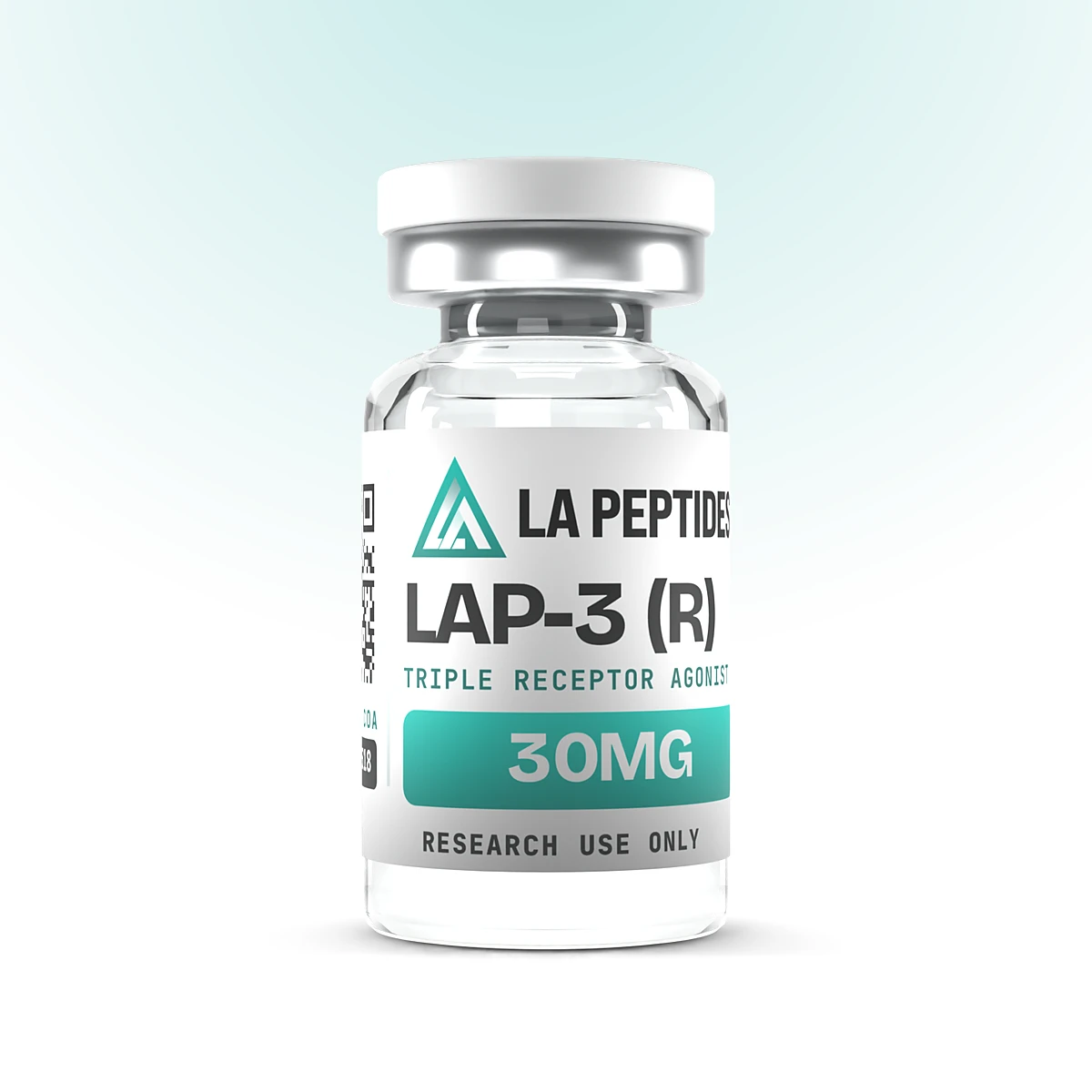
For laboratory research use only. Not for human or veterinary use. Not evaluated by the FDA.
Showing all 10 results
-

Cagrilintide 10mg
$99.99 Add to cart -

LAP-1 (S) 10mg
$89.99 Add to cart -

LAP-1 (S) 5mg
$64.99 Add to cart -
LAP-1 (S) Capsules
$229.99 Add to cart -
LAP-2 (T) 15mg
$99.99 Add to cart -
LAP-2 (T) 30mg
$169.99 Add to cart -

LAP-2 (T) Capsules
$159.99 Add to cart -

LAP-3 (R) 10mg
$94.99 Add to cart -
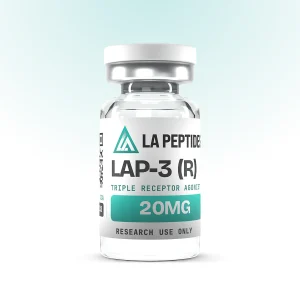
LAP-3 (R) 20mg
$169.99 Add to cart -

LAP-3 (R) 30mg
$229.99 Add to cart