
Lab testing and batch COAs at LA Peptides
How our certificates of analysis work, what they show and how to check them against your vial.
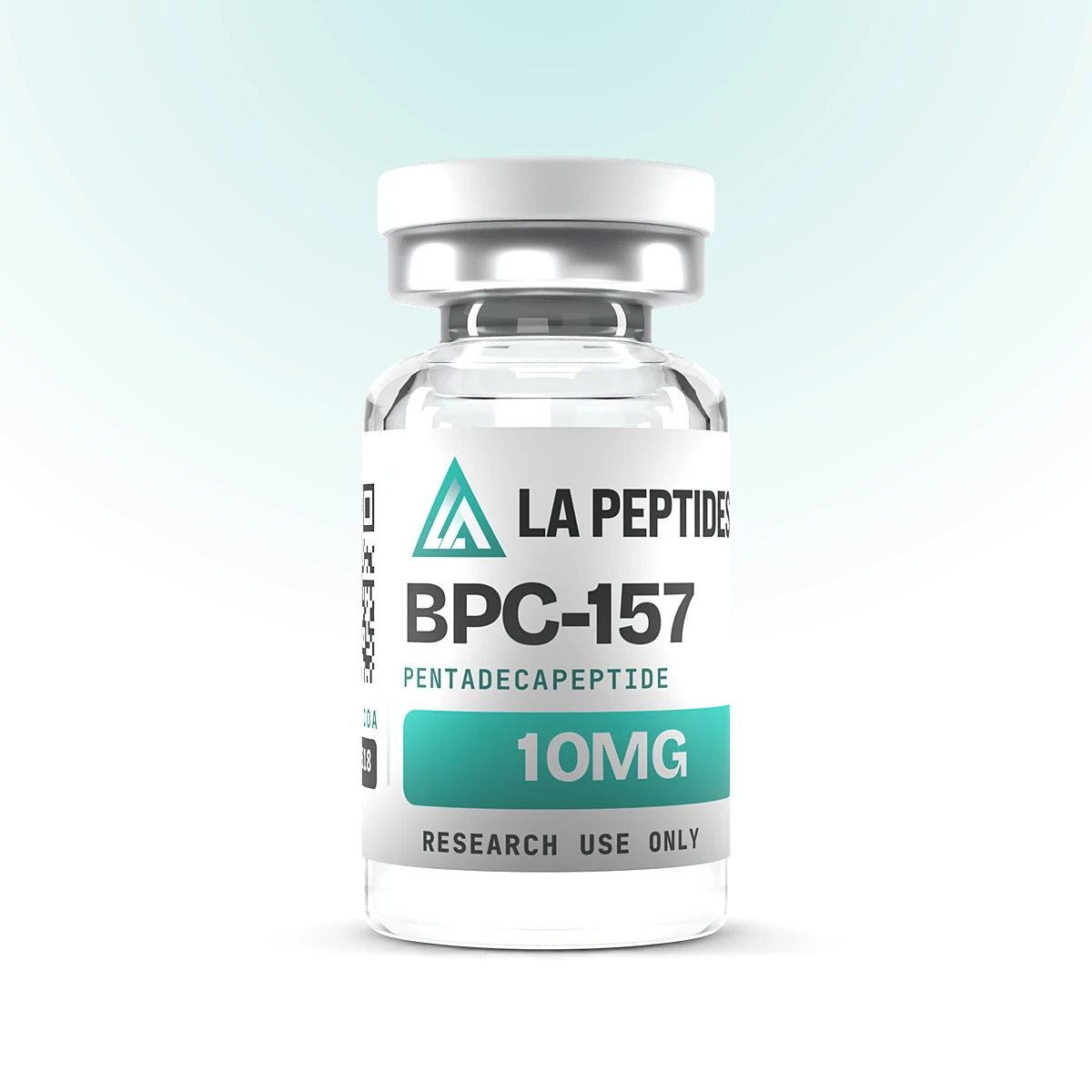
Lab testing is how you know a research peptide is what the label says. At LA Peptides, most vials carry a QR code on the side of the label. Scan it and the certificate of analysis for that exact batch opens on your phone.
What lab testing shows on a COA
A peptide certificate of analysis usually lists the lot number, the test date, purity measured by HPLC and identity confirmed by mass spectrometry. Together those tell you which batch was tested, when, how pure it was and whether the molecule matches the compound named on the label.
- Lot number: should match the lot printed on your vial
- Test date: tells you how recent the result is
- Purity (HPLC): the share of the sample that’s the target peptide
- Identity (mass spec): confirms the molecular weight matches the compound
How to check your vial
Scan the QR code
It’s on the side of the label, next to the product name.
Match the lot
Compare the lot number on the COA with the one on the vial.
Read the results
Look at the purity figure and the identity result.
Keep a copy
Save it with your lab notes so batches are easy to compare later.
Which products include lab testing results?
Most lyophilized vials do, including BPC-157, TB-500, GHK-Cu, MOTS-C, NAD+, the LAP peptides and the bioregulators, plus methylene blue. Each product page states whether a batch COA is included, so check the specs list before you buy.
Lab testing for sprays and capsules
Premixed sprays and capsules are made from the same compounds as our vials, but the product pages state separately whether each one includes a COA. If a product you need doesn’t list one, check its specs or ask us before you order.
Why batch lab testing matters for research
Results only compare well when the material does. A batch COA lets you record exactly which lot went into which experiment. If results shift later, the COA is the first thing to check. It’s also the easiest way to spot a mix-up before it costs you a week of work.
If anything on a COA doesn’t line up with your vial, set the vial aside and email sales@lapeptidesusa.com with the product name and lot number.
HPLC and mass spectrometry are standard analytical methods. If you want the technical background, this PubMed search on peptide purity testing is a good start.
Shop lab-tested research peptides
Every product page lists the amount, format and COA details.
Want to know how to handle a vial once it passes your checks? Our peptide reconstitution guide covers storage, mixing and concentration, and the peptide FAQ answers the common questions.
All LA Peptides products are for laboratory research use only.